Understanding Minimalism in Interior Design
Minimalism in interior design is a style characterized by an emphasis on simplicity, functionality, and aesthetic appeal. Originating as a response to the excesses of decorative arts and post-war consumerism, minimalism seeks to strip away unnecessary elements to reveal the essence of a space. The art movement of the 20th century profoundly influenced this design philosophy, steering it toward clean lines, open spaces, and a deliberately restrained palette.
At its core, minimalism is not merely about reducing clutter; it focuses on creating an environment that enhances well-being and promotes tranquility. Minimalist interiors often feature neutral colors, natural materials, and thoughtfully selected furnishings. This simplicity does not equate to barren spaces; rather, it invites rich textures and carefully curated pieces that serve functional purposes while contributing to an overall harmonious aesthetic.
One of the key aspects of minimalism is its ability to foster a sense of peace and clarity. By removing distractions and excessive decor, individuals can experience reduced stress and improved mental clarity. This psychological benefit is significant, as environments that embody minimalist principles often encourage greater focus and productivity. Additionally, adopting a minimalist approach can lead to a more mindful lifestyle, where individuals prioritize quality over quantity, investing in fewer items that hold greater personal significance.
The evolution of minimalism is reflective of broader societal shifts towards sustainability and intentional living. As more people become attuned to their consumption patterns and the impacts of overindulgence, minimalism resonates as a viable lifestyle choice. It emphasizes the importance of surrounding oneself with objects that hold value and meaning, creating spaces that are not just aesthetically pleasing but also nurturing to the spirit.
Key Trends in Minimalist Interiors for 2023
As we step into 2023, the minimalist interior design movement continues to gain momentum, presenting several key trends that redefine simplicity and functionality within spaces. One prominent trend is the increasing use of natural materials, which not only enhances aesthetic appeal but also fosters a connection to the environment. Materials such as wood, stone, and organic textiles add warmth and texture to minimalist interiors, creating a harmonious atmosphere.
Another notable trend is the adoption of neutral color palettes. Shades of whites, beiges, greys, and soft pastels dominate contemporary minimalist designs, allowing spaces to feel open and serene. These muted tones serve as a backdrop that emphasizes the simplicity and elegance inherent in minimalist aesthetics, allowing natural light to reflect and permeate throughout the spaces.
Decluttered spaces remain a cornerstone of minimalist interiors. The focus is on reducing excess possessions and furniture, leading to environments that promote tranquility and peace of mind. As part of this movement, biophilic design is emerging as a significant trend, integrating nature into living spaces. This approach often includes incorporating indoor plants, natural light, and views of the outdoors, which enhance well-being and create a refreshing ambiance.
Moreover, the popularity of multifunctional furniture is rising, with pieces designed to serve more than one purpose. This trend supports minimalist principles by maximizing functionality while minimizing clutter, making it ideal for smaller living spaces. Finally, the concept of embracing imperfections, known as wabi-sabi, is gaining traction. This philosophy encourages the intentional incorporation of flaws and asymmetry, promoting the beauty found in simplicity and authenticity. Leaving spaces intentionally empty can also serve to enhance visual clarity while providing a sense of freedom and openness in minimalist interiors.
Tips for Achieving a Minimalist Interior
Embracing a minimalist interior requires a deliberate approach to curation and design. To begin this journey, start with decluttering your space. Remove items that no longer serve a purpose or bring joy. This process not only frees up physical space but also helps to clear your mind, creating a more peaceful environment. Consider implementing a rule, such as the “one in, one out” principle, which ensures that for every new item introduced, an existing one must be removed.
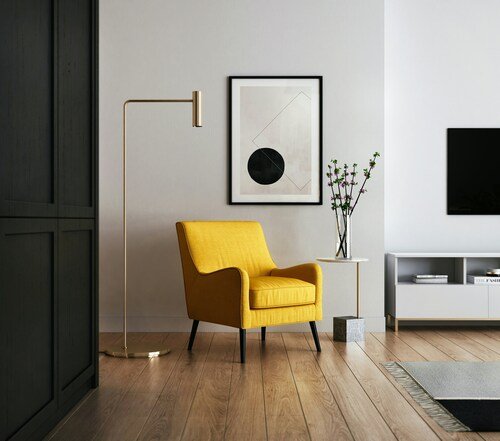
Next, focus on selecting impactful furniture pieces. Choose items that are not only aesthetically pleasing but also functional. Opt for clean lines and versatile designs which can blend seamlessly into your minimalist environment. A well-chosen statement piece, such as a distinctive coffee table or a bold accent chair, can serve as a focal point in a room, ensuring that it remains visually interesting without overwhelming the space.
In addition to careful selection, developing a harmonious color story is vital for achieving a minimalist interior. Neutral palettes such as whites, grays, and beiges create a calming atmosphere, while pops of muted tones can add depth without competing for attention. When incorporating color, aim for a cohesive scheme that transcends different areas within your home, fostering an inviting and serene environment.
Moreover, prioritize quality over quantity. Investing in fewer, high-quality items rather than multiple low-cost alternatives leads to a more refined aesthetic and greater longevity. Ensure that every piece in your space reflects your personal style while maintaining a sense of organization. Utilize storage solutions that keep everyday items out of sight, thus minimizing visual clutter. Personal touches can be included through curated accessories like a well-placed artwork or a few cherished books, ensuring that your minimalist interior feels uniquely yours without becoming overcrowded.
Future of Minimalist Interior Design
The future of minimalist interior design is poised to evolve significantly in response to societal changes and technological advancements. As sustainability becomes a focal point for consumers, the use of sustainable materials in minimalist interiors is on the rise. Designers are increasingly prioritizing eco-friendly options that not only reduce environmental impact but also complement the simplicity characteristic of minimalism. Using natural materials such as bamboo, reclaimed wood, and low-VOC paints, future designs will seamlessly merge luxury with a commitment to the Earth.
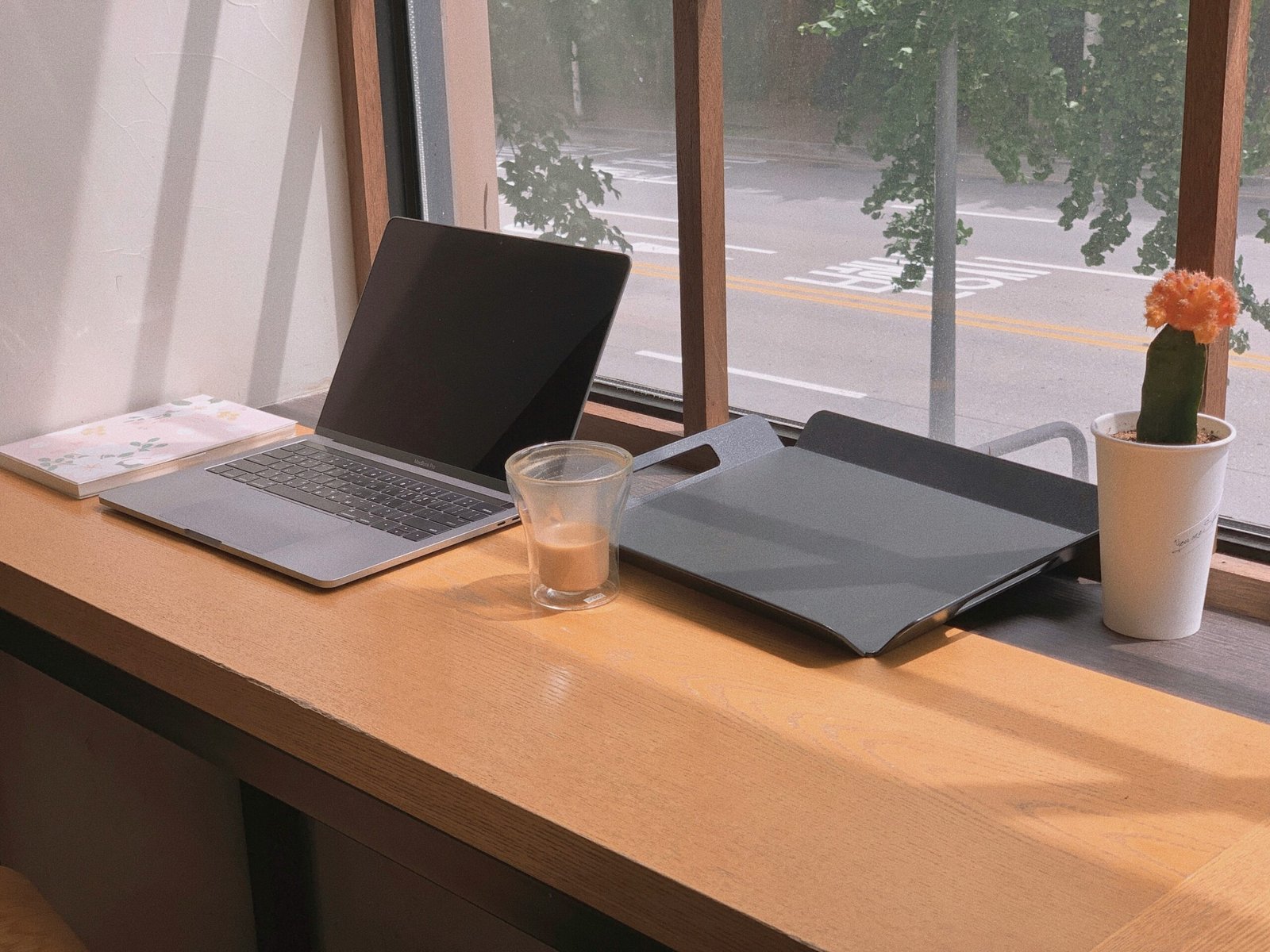
Moreover, the shift towards remote work is influencing how homes are designed. As more individuals work from home, the need for multifunctional spaces rises. This trend encourages the integration of minimalism with practical solutions, allowing living areas to transform into productive workspaces without compromising on aesthetic appeal. Minimalist designs that incorporate hidden storage solutions will help to keep work and living environments distinct yet cohesive, maintaining the essential principles of simplicity and organization.
Furthermore, advancements in smart home technology are set to redefine minimalist living environments. The blending of sleek, functional design with smart devices creates a new paradigm where technology enhances daily life without cluttering the space. Features such as automated lighting, climate control, and integrated sound systems can all be seamlessly embedded into minimalist interiors, providing modern comforts while maintaining a clean and uncluttered look.
As we look ahead, it is clear that minimalist interior design will continue to adapt and thrive in the context of current trends and lifestyles. Its emphasis on functionality, sustainability, and simplicity positions minimalism not just as a design philosophy but as a lifestyle choice aligned with contemporary values.